

Why Bagasse Dishes Are the Future of Sustainable Eating
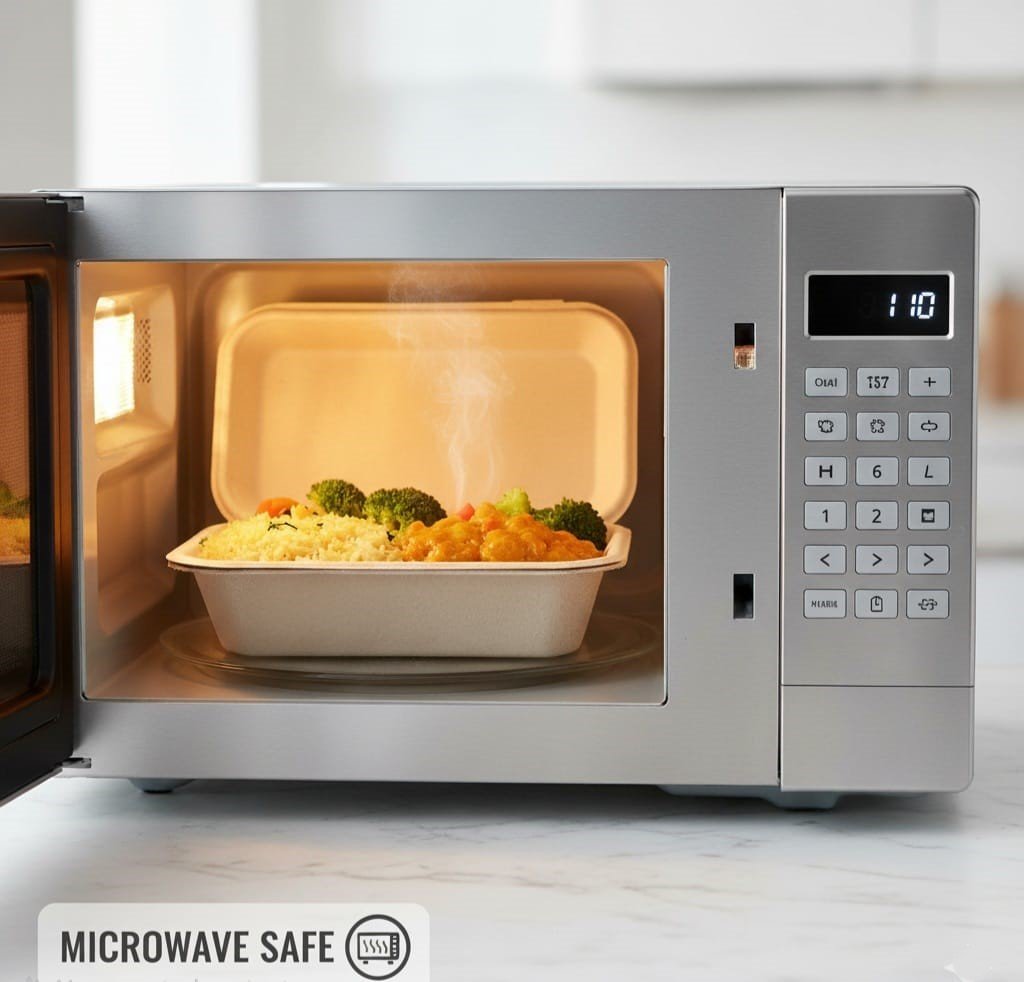
Bagasse products are revolutionizing eco-friendly food packaging. These biodegradable alternatives to plastic and Styrofoam offer durability, safety, and environmental responsibility. But one critical question remains: Can you safely microwave bagasse plates and bowls? This comprehensive guide reveals everything you need to know about heating bagasse food containers.
What Is Bagasse? Understanding the Eco-Friendly Material
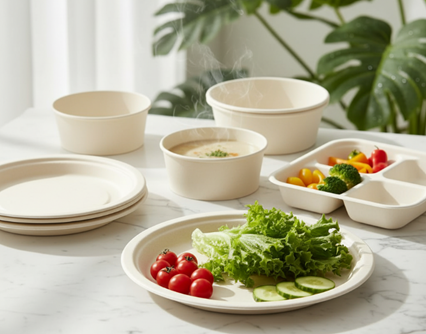
Bagasse is the fibrous residue left after extracting juice from sugarcane stalks. Rather than becoming waste, this agricultural byproduct is transformed into sustainable, compostable tableware including plates, bowls, and food containers. It’s the perfect choice for eco-conscious households and businesses seeking biodegradable alternatives to single-use plastics.
Key Properties of Bagasse Products:
Bagasse is fully biodegradable and compostable under industrial conditions, breaking down naturally without harmful residue. The material is significantly stronger and more heat-resistant than many other disposable options like Styrofoam. Unlike plastic containers, bagasse contains no toxic chemicals such as BPA or phthalates, making it safe for food contact and microwave heating.
Can You Microwave Bagasse? Safety & Heat Resistance Explained
Yes, bagasse is microwave-safe, but with important precautions. These eco-friendly containers withstand microwave reheating effectively, though they have temperature limits. Understanding these boundaries ensures safe, sustainable daily use.
Bagasse products can typically endure temperatures up to 200°F to 212°F (93°C to 100°C) without structural damage. This heat resistance is ideal for most microwave applications, including reheating soups, stews, and beverages directly in the container.
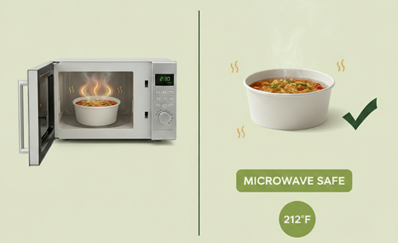
Important limitations: Bagasse is not suitable for cooking or extended microwave sessions. Prolonged exposure to extreme heat (beyond 3-5 minutes) may weaken the material, causing deformation or discoloration. Never use bagasse for tasks requiring sustained high temperatures.
5 Essential Tips for Safely Microwaving Bagasse Containers
1. Limit Microwave Time: Heat food for 2-3 minutes at a time. For longer reheating needs, pause periodically to allow the container to cool slightly. This prevents material degradation and maintains structural integrity.
2. Test High-Temperature Foods First: Before reheating hot liquids like soups or stews, use thick bagasse containers designed for this purpose. Test the container’s heat resistance by microwaving it empty for 1-2 minutes.
3. Minimize Oil and Grease Contact: Foods with excessive oils or fats warm rapidly and may compromise the container’s structure. Use a paper napkin as a barrier when serving greasy foods to reduce direct contact.
4. Avoid Overfilling: Leave adequate space between food and the container’s rim to prevent spillage and deformation during heating. Proper spacing ensures efficient, safe reheating.
5. Monitor the Heating Process: Keep an eye on your food while it reheats. Although bagasse resists heat well, excessive temperatures can damage its structural integrity.
Why Bagasse Outperforms Plastic and Styrofoam
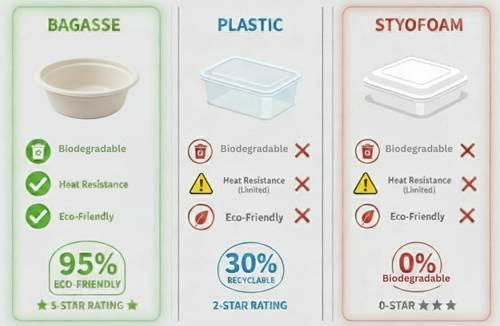
| Feature | Bagasse | Plastic | Styrofoam |
| Eco-Friendliness | 100% biodegradable and compostable | Non-biodegradable | Non-biodegradable |
| Microwave Safety | Microwave-safe up to 212°F | May leach harmful chemicals | Releases toxic substances |
| Structural Durability | High resistance to moisture and heat | Prone to warping | Cracks and disintegrates easily |
| Health Impact | Chemical-free and non-toxic | Potentially contains BPA | Known to release harmful toxins |
Bagasse clearly wins as the sustainable choice for health-conscious consumers.
Key Benefits of Bagasse Tableware for Your Home
Fully Compostable: Bagasse biodegrades in industrial composting facilities within 60-90 days, eliminating long-term environmental impact compared to centuries of plastic waste.
Lower Manufacturing Impact: Producing bagasse packaging consumes significantly less energy than manufacturing plastic or Styrofoam. This process recycles agricultural waste that would otherwise be burned or discarded.
Versatile for Every Occasion: Bagasse boxes and trays work equally well for hot meals, cold foods, catering events, and daily household use. Their heat and moisture resistance makes them ideal for any dining situation.
Chemical-Free Safety: Unlike plastic containers that may leach BPA or other chemicals when heated, bagasse contains no harmful substances. Food stays pure, and your health remains protected.
Important Limitations to Consider
While bagasse offers numerous advantages, understanding its limitations ensures optimal results. Avoid prolonged microwave sessions or cooking tasks that require sustained heat. Extremely high-fat foods may weaken the material faster than regular use. Overheating can cause slight discoloration or brittleness over time.
Make the Switch to Sustainable Bagasse Today
Choosing bagasse tableware isn’t just about convenience—it’s about making mindful environmental choices. These eco-friendly sugarcane containers deliver the performance of conventional disposables without compromising your values or planet.
Next time you reheat a meal, reach for bagasse. Experience the practical benefits of sustainable living with products that are microwave-safe, compostable, and kind to the environment. By switching to bagasse, you’re investing in a cleaner future while enjoying superior food safety and quality.
Ready to embrace eco-friendly eating? Make bagasse your go-to choice for sustainable, microwave-safe food packaging.