

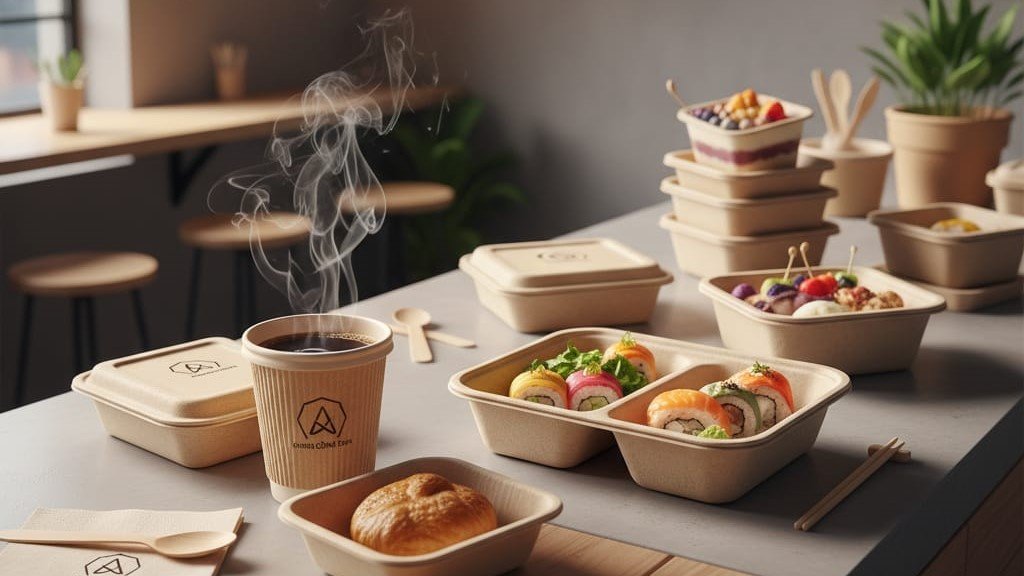
The hospitality industry – encompassing Hotels, Restaurants, and Cafés (HoReCa) – is navigating a crucial shift. With heightened environmental awareness globally, the pressure to adopt eco-friendly solutions, especially for takeaway and delivery packaging, has never been greater. Boutique eateries, major restaurant chains, and countless players across the HoReCa landscape are making a decisive move. Their preferred solution? Bagasse products.
This pivot isn’t just a trend; it’s a strategic necessity. But what truly fuels the soaring popularity of bagasse, and how is it reshaping the future of sustainability for food businesses? Let’s delve into the compelling reasons.
Decoding Bagasse: The Eco-Friendly Powerhouse
What exactly is bagasse?
Simply put, it’s a champion of the circular economy. Bagasse is the fibrous residue left after sugarcane stalks are crushed to extract their juice. Instead of being discarded as waste, this material is cleverly repurposed.
The fibers are pressed into molds under intense heat and pressure, resulting in robust, functional, and durable packaging items like bowls, plates, and containers. The result is packaging that is not only tough enough for transit but also inherently sustainable.
The Urgent Need for Sustainable HoReCa Solutions
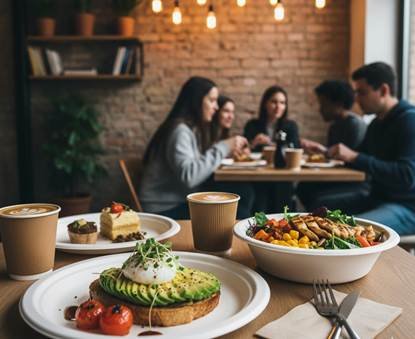
The surge in takeaway and food delivery services, particularly post-pandemic, has created an explosion of single-use packaging. This sheer volume has intensified environmental concerns.
Regulatory Pressures: Local and national governments are increasingly implementing stricter regulations and bans on single-use plastics.
Consumer Demand: Today’s customers are more environmentally conscious than ever. They actively seek out and reward brands that demonstrate genuine social and ecological responsibility.
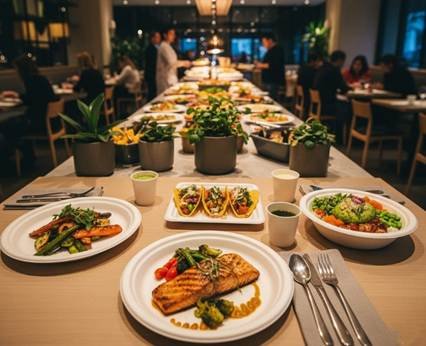
For the HoReCa sector, sustainable packaging is no longer a “nice-to-have” option—it is becoming an essential component of operational integrity and brand loyalty.
Key Advantages: Why Bagasse is Perfect for Takeaway & Delivery
Bagasse offers a powerful combination of ecological benefits, food safety assurances, and practical functionality that plastic simply cannot match.
1. Unmatched Environmental Credentials (The Green Win)
Compostable & Biodegradable: Unlike plastic that lasts for centuries, bagasse breaks down into natural matter, typically within a rapid 60-90 days in commercial composting facilities.
Significant Waste Reduction: Choosing bagasse actively reduces the volume of material destined for landfills, dramatically lowering the overall carbon footprint of your delivery service.
Supports the Circular Economy: It’s made from sugarcane, a rapidly renewable annual crop, making it a highly sustainable resource.
2. Superior Food Safety and Health
PFAS-Free Assurance: Bagasse products from reputable suppliers are free from harmful, potentially toxic chemicals like PFAS (per- and polyfluoroalkyl substances), ensuring food safety during storage, heating, and transit.
Grease, Oil, and Moisture Resistant: The material naturally handles varying food types, preventing leaks, and keeping sauces and oils contained—critical for maintaining food quality.
3. Durability, Functionality, and Operational Efficiency
Lightweight Yet Robust: It has the strength to withstand the rigors of the delivery process without collapsing or tearing.
Microwave & Freezer Safe: This flexibility is a huge operational advantage, allowing for easier food prep, reheating, and storage without switching containers.
Presentation Matters: It helps keep food presentable and prevents the dreaded “sogginess” often associated with inferior packaging materials.
Beyond Green: Economic and Branding Power
While the eco-benefits are paramount, bagasse also delivers crucial economic and branding advantages for HoReCa businesses operating at scale.
Long-Term Cost-Effectiveness: Although the initial unit cost might be slightly higher than traditional plastic, the long-term savings from reduced waste management fees and avoidance of potential regulatory fines make it a smarter investment.
Customizable Branding: Bagasse products can be molded into diverse shapes and easily customized with logos or specific branding elements. This creates a visually cohesive and premium brand experience that speaks directly to the environmentally aware customer.
Must-Have Bagasse Products for Your Menu

The versatility of bagasse means there is a sustainable solution for almost every type of food service:
Clamshell Boxes: Ideal for quick-service items like burgers, wraps, sandwiches, and rice or noodle bowls.
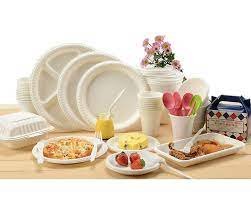
Plates and Bowls: Perfect for dine-in settings, outdoor catering, and general takeaway meals.
Compartment Trays: Excellent for keeping different components of a combo meal or full dinner separated and fresh.
Cups and Lids: A reliable choice for both hot coffees and cold beverages.
Winning Customer Loyalty with Eco-Credentials
The message from consumers is clear: they are actively seeking sustainable packaging from their favorite food providers. Many diners explicitly check for a brand’s eco-credentials before placing an order.
By making the pivotal switch to bagasse products, HoReCa businesses not only shrink their environmental impact but also significantly boost their brand reputation and cultivate deep loyalty among an increasingly eco-conscious clientele.
Ready to transform your takeaway and delivery operations?
As sustainability becomes a non-negotiable component of modern business success, transitioning to bagasse offers a responsible, strategic, and functional solution for the HoReCa sector. From minimizing your ecological footprint to enhancing customer trust, the advantages are irrefutable.
If your foodservice business is still dependent on plastic, now is the decisive moment to act. Choose Ananta Global Exim’s premium bagasse products for your takeaway and delivery needs and serve your customers with care—for both them and the planet.
People Also Ask (FAQ)
1. Is bagasse a better choice than plastic for food delivery?
Absolutely. Bagasse is renewable, non-toxic, compostable, and biodegradable. It also performs exceptionally well against heat and moisture, making it superior for maintaining food quality during delivery.
2. How fast does bagasse decompose?
Bagasse typically achieves optimal decomposition in a remarkably short 60 to 90 days in industrial composting facilities, a stark contrast to the centuries required for plastics.
3. Are bagasse containers safe for microwaving?
Yes. Bagasse containers are highly heat-resistant and perfectly safe for use in both microwaves and ovens (up to specific temperature limits).
4. Can bagasse packaging be composted at home?
While bagasse is fully compostable, it breaks down most effectively in industrial settings. However, it will still successfully decompose in a home compost pile, though the process may take longer.
5. What is the main benefit of bagasse over plastic for takeaway?
The main advantage is its end-of-life cycle. Bagasse is a renewable resource, free from harmful chemicals, and fully compostable, drastically reducing landfill waste and carbon emissions without sacrificing the functionality required for safe, high-quality food transit.